
FITX CONVERSATIONS
Conversations with Experts
Specialist perspectives on shoe fit and comfort, hosted by FitX co-founder Jennie Chen.
Browse by question.
Does my shoe actually fit?
Size & width
The right size can still be the wrong shape
Yes. Pedro Rodrigues says size records length and sometimes width, but not instep height, arch height or girth, and left and right feet often differ.
Pedro Rodrigues, PhD, PT
Biomechanics Advisor, FitX
Size & width
A paper-and-pencil check for shoe width
Trace your bare foot on paper and set the shoe on the tracing. Dr. Anne Sharkey says if your outline sticks out past the shoe, the shoe is too narrow.
Dr. Anne Sharkey
Double Board-Certified Podiatrist
Fit check
Can shoes be too roomy?
Yes. Dr. Anne Sharkey says the signs of a shoe that is too large are toes gripping to hold it on, the foot moving inside, tired feet and skin irritation.
Dr. Anne Sharkey
Double Board-Certified Podiatrist
Fit check
How do you check if a running shoe fits?
Stand up and have someone check for a thumb’s width past your longest toe. Ed Malley also checks room at the sides, laces that are snug but not tight, and comfort on a test run.
Ed Malley
Master Instructor of ChiRunning and ChiWalking
Size & width
Could your shoes be too big?
Yes. Damien Howell says a shoe that is too big is harder to notice than one that is too small: the foot moves inside it and the shoe no longer bends at the ball of the foot.
Dr. Damien Howell
Orthopedic Physical Therapist · Gait & Movement Analysis
Size & width
Can your shoe size change as an adult?
Yes. Dr. Anne Sharkey says adult feet can change over time, including after pregnancy, so it pays to re-check your size.
Dr. Anne Sharkey
Double Board-Certified Podiatrist
Size & width
Wide, narrow or unequal feet: why standard sizes can miss
Damien Howell says people with wide feet, very narrow feet or two feet of unequal size are the most likely to be in the wrong size. Wide feet often get sized up in length.
Dr. Damien Howell
Orthopedic Physical Therapist · Gait & Movement Analysis
Size & width
Your feet can differ in more than shoe size
Dr. Anne Sharkey says left and right feet can differ in more than length, and a bunion or hammer toe on one foot changes how that foot fits.
Dr. Anne Sharkey
Double Board-Certified Podiatrist
Fit check
Three checks for your current shoes, and their limits
Damien Howell suggests three checks: heels against a wall to compare foot length, the thumb-width test done standing, and squeezing the upper for width. Width is the hardest to judge at home.
Dr. Damien Howell
Orthopedic Physical Therapist · Gait & Movement Analysis
Fit check
Can a shoe be too loose to perform well?
It depends on the activity. Pedro Rodrigues says too tight and the foot cannot adapt to the ground; too loose and it slides inside the shoe.
Pedro Rodrigues, PhD, PT
Biomechanics Advisor, FitX
Common fit problems
The biggest fit problem with off-the-shelf running shoes
The toe box. Troy Hurst says heels and midfoots are usually secure, but toe boxes taper too fast for the toes to splay under load.
Dr. Troy Hurst
Physical Therapist & Runner
Common fit problems
The fit problems runners run into most
Jill Whitaker hears three complaints most: rubbing at the heel and Achilles, pressure on the top of the foot, and a forefoot that slides.
Jill Whitaker
Running Coach & Shoe Reviewer
Common fit problems
What fit problems do runners put up with?
Ed Malley sees two most: a street-shoe size that puts toes against the front, and a toe box too narrow for the forefoot.
Ed Malley
Master Instructor of ChiRunning and ChiWalking
Why fit matters
What can a better-fitting shoe change in your day?
Dr. Anne Sharkey says the change is practical: toes have space to spread and feet may feel less tired at the end of the day. Individual needs vary.
Dr. Anne Sharkey
Double Board-Certified Podiatrist
Why fit matters
What caught a physical therapist’s attention about FitX?
Troy Hurst says off-the-shelf sizing is not an exact science, and pressure points can appear even when the length is right. Recorded before he had tried a pair; FitX offered him a complimentary pair.
Dr. Troy Hurst
Physical Therapist & Runner
Foot pain & foot differences
Foot pain
Can the wrong shoe cause foot pain?
"It depends," says podiatrist Michele McGowan. She talks about runners with bunions who need a wider toe box, and what she suggests first for people who stand all day at work.
Michele McGowan, DPM
Podiatrist
Foot conditions
Are bunions just about age and tight shoes?
Not in Damien Howell’s view. He sees the condition as largely genetic, and provoked rather than caused by narrow shoes.
Dr. Damien Howell
Orthopedic Physical Therapist · Gait & Movement Analysis
Foot conditions
Does a flat arch automatically mean a foot problem?
No. Damien Howell says flat feet and pronation are not diseases, and many people with no arch have no problems.
Dr. Damien Howell
Orthopedic Physical Therapist · Gait & Movement Analysis
Foot pain
What in a shoe causes foot pain?
Podiatrist Michele McGowan points to old shoes, soles that no longer absorb shock, and the wrong size or width.
Michele McGowan, DPM
Podiatrist
Foot pain
Does a poor shoe fit affect more than comfort?
It can, in Pedro Rodrigues’s view. When a shoe limits how the foot moves, the knee and hip may have to move differently. He is clear this is an analogy, not hard data.
Pedro Rodrigues, PhD, PT
Biomechanics Advisor, FitX
Left-right differences
Why might your two shoes wear differently?
Vahan Agbabian says a leg-length difference, or two feet that are not mirror images, can show up in how each shoe wears.
Vahan Agbabian, MA, AT, ATC
Certified Athletic Trainer · 30+ years in sports medicine and rehabilitation
Size & width
Wide, narrow or unequal feet: why standard sizes can miss
Damien Howell says people with wide feet, very narrow feet or two feet of unequal size are the most likely to be in the wrong size. Wide feet often get sized up in length.
Dr. Damien Howell
Orthopedic Physical Therapist · Gait & Movement Analysis
Size & width
Your feet can differ in more than shoe size
Dr. Anne Sharkey says left and right feet can differ in more than length, and a bunion or hammer toe on one foot changes how that foot fits.
Dr. Anne Sharkey
Double Board-Certified Podiatrist
How to choose & buy shoes
Choosing shoes
Three things to check when choosing shoes
Fit, flex and function. Dr. Anne Sharkey checks toe room and heel hold, how the shoe bends, and what it is built to do.
Dr. Anne Sharkey
Double Board-Certified Podiatrist
Shoe life
How long should running shoes last?
Troy Hurst thinks the common 300 to 500 mile guideline is too low. He considers 750 to 1,000 miles a more reasonable expectation; mileage varies with the runner and the shoe.
Dr. Troy Hurst
Physical Therapist & Runner
Choosing shoes
How should you buy running shoes?
Jill Whitaker suggests buying at a running store if you can, checking the return policy, and running a few miles in a shoe before deciding.
Jill Whitaker
Running Coach & Shoe Reviewer
Choosing shoes
What a podiatrist looks for before recommending a shoe
Dr. Anne Sharkey starts with who the shoe is for and how they will use it, then weighs comfort and support across everyday use.
Dr. Anne Sharkey
Double Board-Certified Podiatrist
Choosing shoes
How a physical therapist evaluates a new running shoe
Troy Hurst checks comfort out of the box, no hot spots at the big or little toe, room for the toes to splay, a secure heel and midfoot, energy return and grip in the wet.
Dr. Troy Hurst
Physical Therapist & Runner
Shoe life
Should you rotate two pairs of running shoes?
If you run most days or high mileage, yes, says Ed Malley: midsole foam needs time to recover between runs. At low mileage it probably does not matter.
Ed Malley
Master Instructor of ChiRunning and ChiWalking
Shoe life
Do running shoes need a break-in period?
No. Dr. Anne Sharkey says a running or walking shoe should be comfortable when you put it on. Leather shoes are the exception, since leather may soften with wear.
Dr. Anne Sharkey
Double Board-Certified Podiatrist
Shoe design explained
Heel drop
Is there one ideal heel-to-toe drop?
No. Damien Howell says the right drop depends on your foot; people with a high, rigid arch are usually more comfortable with some heel height.
Dr. Damien Howell
Orthopedic Physical Therapist · Gait & Movement Analysis
Cushioning
Softer is not automatically better: cushioning vs. support
Pedro Rodrigues says there is no perfect softness: the right cushioning depends on the surface, the run and how much force the runner puts into the shoe.
Pedro Rodrigues, PhD, PT
Biomechanics Advisor, FitX
Sole & flex
What is a rocker sole, and what changes when its curve moves?
A rocker sole curves up toward the toe. Damien Howell says the point where the curve starts should sit under the ball of the foot.
Dr. Damien Howell
Orthopedic Physical Therapist · Gait & Movement Analysis
Heel drop
Zero drop or a higher heel: what should a runner consider?
Troy Hurst says a little drop suits most runners. He would not jump straight to zero drop; if you want to go lower, reduce the drop gradually with each new pair.
Dr. Troy Hurst
Physical Therapist & Runner
Heel drop
Zero drop or low drop: why does it matter?
Ed Malley says drop affects where you can land. He teaches landing with the foot under the body, which he says calls for a zero or low drop.
Ed Malley
Master Instructor of ChiRunning and ChiWalking
Heel drop
Do walkers need zero-drop shoes?
No. Ed Malley says walking is a different motion from running, so zero drop is not required.
Ed Malley
Master Instructor of ChiRunning and ChiWalking
Sole & flex
Where should your shoe bend?
Under the ball of the foot. Damien Howell says the useful question is where a shoe flexes, not how flexible it is.
Dr. Damien Howell
Orthopedic Physical Therapist · Gait & Movement Analysis
Orthotics & inserts
Orthotics
Better shoes or custom orthotics: who needs what?
Podiatrist Michele McGowan recommends new shoes first. She keeps custom orthotics for chronic problems that did not improve with standard care.
Michele McGowan, DPM
Podiatrist
Orthotics
When should a runner try an insert?
Podiatrist Michele McGowan’s answer: when pain stops you from finishing a run.
Michele McGowan, DPM
Podiatrist
Orthotics
Are orthotics the whole solution?
No. Vahan Agbabian says an orthotic is one part of a bigger picture, and part of the job is knowing when one is not needed.
Vahan Agbabian, MA, AT, ATC
Certified Athletic Trainer · 30+ years in sports medicine and rehabilitation
Orthotics
How are 3D-printed custom orthotics made?
Podiatrist Michele McGowan scans the foot with a phone, writes the prescription, receives the design file and prints the orthotic in her own office.
Michele McGowan, DPM
Podiatrist
Lacing
Lacing
Heel-lock lacing in 45 seconds
Ed Malley shows the loop lacing that keeps your heel seated in the heel cup.
Ed Malley
Master Instructor of ChiRunning and ChiWalking
Lacing
What does a lace lock actually do?
Vahan Agbabian shows how lacing through the extra top eyelet snugs the fit at the heel and ankle.
Vahan Agbabian, MA, AT, ATC
Certified Athletic Trainer · 30+ years in sports medicine and rehabilitation
Lacing
How can lacing keep your heel in place?
Ed Malley uses loop or "rabbit ear" lacing through the extra top eyelet to seat the heel in the heel cup.
Ed Malley
Master Instructor of ChiRunning and ChiWalking
Running form & gait
Running form & gait
Is landing on the ball of your foot better?
Not in Ed Malley’s view. He says a forefoot strike loads the small muscles of the foot and calf, while a flat landing under the body shifts the work to the quads, glutes and core. Coaches differ on this.
Ed Malley
Master Instructor of ChiRunning and ChiWalking
Running form & gait
How do elite runners run differently?
Ed Malley says elites pull the road back under them, which most recreational runners should not try to copy.
Ed Malley
Master Instructor of ChiRunning and ChiWalking
Running form & gait
Can shoes help you walk better than barefoot?
Sometimes. Vahan Agbabian says a shoe can make a walk more efficient or comfortable than barefoot, and a shoe that twists or compresses too easily can make it worse.
Vahan Agbabian, MA, AT, ATC
Certified Athletic Trainer · 30+ years in sports medicine and rehabilitation
Meet the experts.
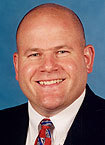
Vahan Agbabian, MA, AT, ATC
Certified Athletic Trainer · 30+ years in sports medicine and rehabilitation
View profile





A closer look at fit.
We ask practitioners about fit, comfort, and footwear. Each guest shares their own professional perspective. Educational information; individual needs vary.